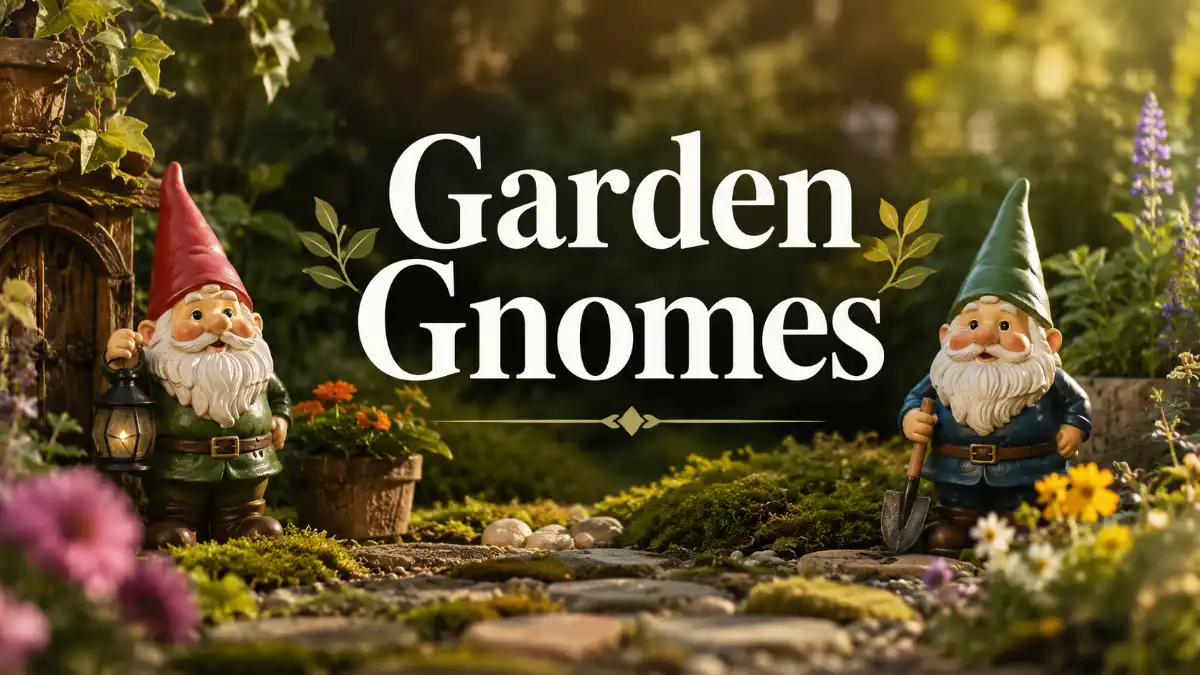
Garden gnomes can add humor, character, or a storybook focal point to a yard, patio, balcony, or flower border. The right one should suit your garden’s scale, style, climate, and level of exposure—not simply look appealing in a product photo.
Use this guide to compare materials, styles, sizes, durability, quality, placement, and value so you can choose an outdoor ornament that looks intentional and holds up to regular use.
Which Garden Gnome Is Right for You?
Choose the statue based on where it will live and what role it should play in the landscape. A decorative figure for a covered patio has very different requirements from a permanent focal point in an exposed lawn.
| If you need… | Best choice | Why it works |
| A first garden ornament | Medium-sized resin or polyresin gnome | Easy to move, widely available, and suitable for many styles |
| A windy-garden option | Concrete, cast stone, or a heavy-based resin figure | Weight and a broad base improve stability |
| A sunny-location option | UV-resistant polyresin, stone, or an unpainted natural finish | Better suited to visible sun exposure; painted finishes still need care |
| A cottage-garden accent | Traditional red-hatted or gardening-themed gnome | Pairs naturally with flowering borders, herbs, bird baths, and terracotta |
| A fairy-garden display | Miniature gnome figures | Fits containers, small landscapes, and detailed scenes |
| A low-maintenance option | Stone-look resin in a sheltered location or cast stone | Requires less frequent repositioning than delicate painted décor |
| A long-term landscape feature | Cast stone, concrete, or natural stone | Best for a fixed, substantial garden-statuary display |
| A patio or porch | Ceramic, resin, wood, or a small solar design | Covered locations allow more material options |
| A balcony | Small lightweight resin or fiberglass figure | Easier to move and less likely to overload limited space |
| A conversation piece | One funny garden gnome | Delivers personality without overcrowding the garden |
Start With the Garden’s Overall Style
A gnome should complement the surrounding landscape rather than compete with it. Traditional styles usually feature a pointed hat, beard, colorful clothing, and activities such as gardening, fishing, reading, or carrying a lantern. They work naturally in informal beds, cottage gardens, vegetable plots, and mixed flower borders.
For modern patios, xeriscapes, or minimalist planting schemes, choose a simplified silhouette, muted finish, or a single sculptural piece. Rustic woodland settings suit earth-toned figures placed near ferns, logs, moss, and natural stone. Funny garden gnomes work best as a deliberate surprise, not as one of many unrelated yard ornaments.
- Read more: Garden Gnomes
Build around a clear visual theme
- Cottage garden: Traditional figure, roses or perennials, terracotta planters, bird bath, and soft landscape edging
- Woodland corner: Earth-toned gnome, ferns, mulch, weathered wood, shade-tolerant plants, and stepping stones
- Fairy garden: Miniature figures, pebble paths, small houses, low-growing plants, and scaled accessories
- Rock garden or xeriscape: Stone-look statue, gravel, drought-tolerant plants, boulders, and restrained color
- Pollinator garden: One modest figure near a seating area or path, leaving the planting itself as the main feature
- Modern patio: One geometric or neutral-toned statue beside clean-lined containers and ornamental grasses
Compare Materials Before You Buy
Material affects weight, finish, weather tolerance, upkeep, and cost. Resin and polyresin are common for detailed painted figures; concrete, cast stone, and natural stone are better suited to heavy, permanent displays.
| Material | Best use | Strengths | Watch for |
| Resin or polyresin | Most patios and garden beds | Lightweight, detailed, easy to relocate | Fading, brittleness, and cracks after harsh sun or freezing weather |
| Fiberglass | Larger lightweight displays | Easier to move than stone or concrete | Quality varies; check for cracks, thin edges, and finish damage |
| Concrete | Permanent yard ornament | Stable, substantial, durable when properly cared for | Heavy, porous, and difficult to move |
| Cast stone | Premium landscape focal point | Stone-like appearance, weight, and long-term presence | Higher cost and significant weight |
| Natural stone | Permanent outdoor sculpture | Timeless appearance and natural finish | Expensive, heavy, and style-specific |
| Ceramic or porcelain | Covered porch or sheltered patio | Fine paintwork, glazed color, decorative detail | Can crack if dropped or exposed to freeze-thaw conditions |
| Metal | Rustic or contemporary décor | Strong silhouette and distinctive patina | Coatings can wear; untreated metal may corrode |
| Wood | Covered entry or protected display | Handcrafted warmth and character | Requires protection from persistent moisture |
Resin vs. concrete vs. stone
| Feature | Resin / polyresin | Concrete | Cast or natural stone |
| Weight | Light to moderate | Heavy | Heavy to very heavy |
| Detail | Often highly detailed | Moderate | Moderate to refined |
| Ease of moving | Easy | Difficult | Difficult |
| Best setting | Patio, border, container garden | Lawn edge, entry bed, permanent display | Established landscape, formal or naturalistic garden |
| Weather strategy | Look for outdoor-rated, UV-resistant finishes | Keep elevated from standing water; inspect for cracks | Use a stable base and clean gently |
| Relative cost | Budget to mid-range | Mid-range | Mid-range to premium |
Outdoor resin pieces benefit from UV-resistant finishes, gentle cleaning, and protection during severe weather; excessive sun and freezing conditions can shorten the life of painted surfaces.scienceinsights
Choose the Right Size
The best size depends on viewing distance and planting density. A miniature ornament can disappear in a deep border, while a large figure may dominate a compact balcony or narrow pathway.
| Location | Recommended scale | Placement approach |
| Shelf, tabletop, or windowsill | Miniature | Use one figure or a small themed display |
| Balcony or container garden | Small | Place beside plants, not in the walking route |
| Patio corner | Small to medium | Pair with planters, seating, or a low wall |
| Flower bed or shrub border | Medium | Ensure foliage will not hide it completely |
| Lawn edge or entry bed | Medium to large | Use one as a landscape focal point |
| Large garden | Large or grouped | Repeat a consistent style sparingly |
Before buying, mark the intended height with cardboard or a measuring tape. View it from the path, patio door, and street-facing angle to judge whether it will be a hidden discovery or a statement piece.
Visual weight matters too
A broad figure with a large hat may appear larger than a tall, slim ornament. Bright red, white, yellow, or reflective surfaces draw attention quickly; dark finishes recede into evergreen foliage and shade.
Use contrast intentionally. A pale stone figure is easier to see against deep green shrubs, while a dark metal ornament can stand out against gravel, pale walls, or light-colored mulch.
Traditional, Funny, Solar, or Modern?
Style affects where an ornament belongs and how much visual attention it demands.
| Style | Best for | Strengths | Consider before choosing |
| Traditional | Cottage gardens, herb beds, informal borders | Familiar, timeless, easy to coordinate | Bright colors may not suit minimalist landscapes |
| Funny or novelty | Casual backyards, social patios, playful landscapes | Adds personality and a conversation point | One strong joke usually works better than several |
| Modern or abstract | Contemporary patios and restrained gardens | Clean silhouette, less visual clutter | May feel out of place in a highly traditional border |
| Solar | Path edges, container displays, evening accents | Adds a small decorative glow | Needs usable daylight and is not safety lighting |
| Functional | Bird feeder, planter, or decorative light | Makes limited space work harder | Check drainage, cleaning access, and stability |
Use novelty with restraint
Funny garden gnomes are most effective when visitors can notice them without the landscape becoming visually busy. Place one near a path, deck, seating area, or tucked behind a shrub for a surprise reveal.
Avoid crowding a small space with competing jokes, oversized signs, and unrelated novelty statues. A single playful figure works better when surrounding planters, hardscaping, and planting remain simple.
Choose by Climate and Exposure
A product described as weather-resistant may still need protection in strong sun, heavy rain, frost, or high wind. Match the material and finish to the exact spot where it will be displayed.
| Condition | Better choices | Smart precautions |
| Strong sun | UV-resistant resin, stone, natural finish | Use partial shade when possible; inspect for fading |
| Freeze-thaw weather | Stone, properly maintained concrete, sheltered resin | Keep bases dry and elevated; store delicate items if practical |
| Rainy or humid setting | Resin, stone, coated metal | Avoid standing water and clear leaf buildup |
| Windy garden | Concrete, cast stone, wide-based statue | Use a level base and sheltered placement |
| Covered patio | Resin, ceramic, wood, metal | Keep away from falling objects and heavy foot traffic |
| Coastal exposure | Stone or well-coated materials | Inspect metal and painted finishes more often |
Do not assume any ornament is completely waterproof. Seams, chips, damaged paint, and unsealed porous surfaces can allow moisture in. Place statues on a paver, gravel base, or other stable surface that drains well.
Decorative vs. Collectible Garden Gnomes
Decorative pieces are designed primarily to complement an outdoor setting. Collectible pieces may be handmade, limited in production, historically styled, artist-signed, or acquired for display value beyond the landscape.
| Consideration | Decorative gnome | Collectible gnome |
| Primary purpose | Garden or patio décor | Display, collecting, or special-occasion ownership |
| Typical materials | Resin, polyresin, concrete, ceramic | Hand-painted ceramic, stoneware, artisan-made materials |
| Buying priority | Weather suitability, design, and price | Provenance, craftsmanship, condition, and storage |
| Outdoor use | Often appropriate if rated for outdoors | May be better kept in protected display areas |
| Value expectation | Personal enjoyment | Potentially higher purchase value, but no guaranteed resale value |
| Maintenance | Basic seasonal cleaning | Careful handling, records, and protected storage may matter more |
Buy a collectible because you value its craftsmanship or story, not because you expect a guaranteed investment return. For a working outdoor display, a durable decorative piece is usually the more practical choice.
Check Quality Before You Purchase
A product image does not show every weak point. Review photos, dimensions, materials, customer images, and care instructions before choosing an outdoor figure.
Quality inspection checklist
- Check that the base appears flat, broad, and proportionate to the figure’s height
- Look for thin unsupported features such as fishing rods, arms, lantern handles, and tool shafts
- Review paint edges for rough overspray, missed sections, peeling, or inconsistent color
- Look for visible mold seams, rough patches, or poorly joined sections
- Confirm that the material is described for outdoor use, not merely for decorative use
- Prioritize UV-resistant coating or exterior-rated paint for sun-exposed placement
- Check whether the figure can stand securely on a level surface
- For solar designs, make sure the panel is accessible for cleaning and can receive daylight
- Read care instructions for frost, wind, and winter storage guidance
- Choose a return policy that allows inspection after delivery
Common online buying mistakes
The most common mistake is ordering by appearance without checking dimensions. A gnome that looks substantial in a close-up photo may be too small for a lawn edge or too large for a balcony.
Also avoid assuming “stone effect” means actual stone, or that “weatherproof” means maintenance-free. Verify the material, weight, base design, finish, and recommended outdoor use before committing.
Compare Relative Budget Tiers
Prices vary by region, retailer, size, material, finish, and whether a piece is handmade. Relative tiers are more useful than fixed prices.
| Tier | Typical options | Best for |
| Budget | Small resin, plastic, simple painted figures | Seasonal displays, containers, first-time buyers |
| Mid-range | Better-finished resin, fiberglass, larger decorative figures | Patios, borders, and everyday outdoor décor |
| Premium | Cast stone, high-quality ceramic, larger sculpture-like pieces | Permanent focal points and established landscapes |
| Handmade or collectible | Artisan-made, limited, signed, or heritage-style pieces | Protected display and collectors who value craftsmanship |
Spend more when weight, finish quality, craftsmanship, or permanence matters. Spend less when the figure is intended for a seasonal display, a child-friendly backyard theme, or a small container garden that changes frequently.
Where Garden Gnomes Look Best
The strongest placement makes an ornament feel connected to the landscape. Think about focal points, sightlines, color balance, and the view from where people actually stand or sit.
Placement ideas
- At a path curve: Create a small moment of discovery without blocking the route
- Beside a container garden: Anchor a large pot with a small figure and trailing plants
- Under a shrub: Use a woodland-style figure among ferns, mulch, and natural stone
- Near a herb or vegetable bed: Choose a gardening pose to reinforce the setting
- At a patio corner: Pair a sheltered figure with planters and low outdoor lighting
- In a rock garden: Use a stone-look or muted ornament that does not compete with the rocks
- Near a bird bath: Create a small decorative zone with one compatible focal piece
- Along landscape edging: Position a small figure just inside the border, not in the mowing path
- In a fairy-garden container: Build a miniature scene with pebbles, a tiny bench, and low-growing plants
Use asymmetry for natural-looking displays
Formal entry gardens can use symmetry: matching figures on either side of a path or steps. Most mixed borders look better with asymmetry—a single figure placed slightly off-center, balanced by plants, a planter, or a small bird bath.
Keep clear sightlines from doors, seating areas, and garden paths. A gnome should appear purposeful from the main viewpoint, even if it is partly hidden from other angles.
Child, Pet, and Theft Considerations
Place decorative garden statues away from steps, play routes, gates, and areas where children or pets run. Avoid sharp-edged metal ornaments and unstable tall figures in active spaces.
For a lightweight but valuable piece, choose a location that is visible from the home but not easily reached from the street. A heavy base, discreet placement behind planting, or a manufacturer-approved anchoring system can reduce the risk of tipping or casual removal. Do not block pathways or create tripping hazards in the name of securing an ornament.
Maintain Garden Gnome Decorations
Routine care helps preserve paint, finishes, and structural details. Clean outdoor figures gently, inspect them seasonally, and respond early to small chips or cracks.
Basic cleaning routine
- Brush away loose leaves, cobwebs, and soil with a soft brush or microfiber cloth.
- Wash with mild soap and lukewarm water using a soft sponge.
- Rinse gently; do not use a pressure washer on painted or delicate pieces.
- Allow the figure to dry completely.
- Inspect the base, paintwork, seams, solar panel, and accessories before returning it to place.
Avoid abrasive cleaners, wire brushes, strong solvents, and aggressive scrubbing. They can scratch finishes, strip paint, and worsen small surface defects.
Seasonal care
In autumn, clear wet leaves and mulch from around the base. Before severe frost or storms, move lightweight resin, ceramic, and delicate pieces into a dry covered area when practical. Keep permanent concrete and stone ornaments off standing water, and check whether the ground has shifted after winter.
If repainting is needed, use material-compatible exterior products and test them in an inconspicuous area first. A weather sealant can help protect suitable surfaces, but only use one recommended for that material and follow its application instructions.
Frequently Asked Questions
Most outdoor-rated figures are designed to handle normal rain, but no ornament should be assumed to be completely waterproof forever. Water can enter through chips, seams, loose paint, unsealed pores, or damaged bases. Resin and polyresin are generally less absorbent than concrete or unglazed ceramic, while porous materials need more protection from standing water. Place the statue on a well-drained, stable base and inspect it periodically for cracks or peeling finish, especially after winter or prolonged rain.
Yes, painted resin can fade over time when it receives intense direct sunlight. Outdoor-rated resin with UV-resistant coating is the better choice for bright locations, but it still benefits from seasonal inspection and partial shade where possible. Clean dust and grime gently, and repair chips before moisture reaches the underlying material. If the manufacturer permits it, an exterior UV-protective coating may help maintain the finish. Avoid harsh cleaners and pressure washing, which can damage paint and protective layers.
Some can, but the answer depends on the material and local climate. Heavy stone and well-maintained concrete statues are commonly used as permanent landscape features, while ceramic, lightly built resin, and detailed painted ornaments may need shelter during hard frost or severe storms. Keep all outdoor statues off standing water, remove wet debris from the base, and check for damage each season. If freezing conditions are common, moving fragile figures to a dry shed, garage, or covered porch is the safer approach.
Choose the size by viewing distance and the scale of the setting. Miniatures work best in containers, tabletop displays, and fairy gardens; small-to-medium figures suit patios and flower beds; and larger ornaments suit entry gardens, lawn edges, or deep borders. Before ordering, mark the proposed height with a ruler or cardboard cutout and view it from a path or patio door. Also consider visual weight: a broad, bright figure can feel larger than its height suggests.
Neither material is universally better. Resin is lighter, easier to move, and often offers more detailed painted designs, making it useful for patios, containers, and changing displays. Concrete is heavier and more stable, making it better for permanent focal points or windy locations. Resin may need more protection from harsh UV exposure and freezing temperatures, while concrete needs a stable, draining base and occasional inspection for cracks. Choose resin for flexibility and concrete for weight and permanence.
Lifespan varies widely with material quality, climate, placement, maintenance, and accidental damage. A sheltered, well-maintained resin ornament can last much longer than one left in constant sun and freezing weather, while stone and cast-stone pieces are often selected for long-term landscape use. Rather than relying on a universal lifespan claim, inspect the finish, seams, base, and care instructions before purchase. Seasonal cleaning, drainage, protective storage, and early repair of minor damage all improve longevity.
Yes, but use a method appropriate to the material and site. First, place the figure where it is visible from the home but less accessible from the street. A heavy base or a location behind planting can discourage casual removal. If the product is designed with mounting points, follow the manufacturer’s anchoring guidance. Avoid drilling into fragile ceramic, thin resin, or stone without expert advice, as this can cause cracking. Also avoid creating an obstacle or tripping risk along paths.
Solar designs are worthwhile when you want a small decorative glow rather than functional landscape lighting. They work best in locations where the solar panel receives adequate daylight and can be cleaned easily. Shade from trees, covered porches, and short winter days can reduce charging performance. Check that the battery compartment is accessible, the panel can face open sky, and the figure is stable. Do not rely on a solar ornament to illuminate stairs, pathways, or other safety-critical areas.
Should I choose a handmade or mass-produced garden gnome?Choose handmade work when craftsmanship, distinctive design, and collectible appeal matter more than low cost or easy replacement. Mass-produced resin or polyresin figures are often better for casual outdoor displays because they are widely available, consistent in style, and easier to replace if damaged. Evaluate handmade pieces carefully for outdoor suitability, as a beautiful artisan finish may be intended for a protected porch or indoor display. For a permanent garden focal point, material and weather tolerance should guide the decision.
Some options may use recycled materials, reclaimed metal, locally made ceramic, sustainably sourced wood, or long-lasting stone. The most environmentally considered choice is often a durable piece you will keep for years, rather than a disposable seasonal ornament. Look for clear material information, repairable construction, minimal packaging, and finishes appropriate for outdoor use. Be cautious of vague “eco-friendly” claims without details. If choosing wood, confirm it is suited to exterior conditions and protected with a finish appropriate for the material.
